

.png)
Raccoon Ruckus is a chaotic co-op party game where you play as raccoons who have to clean up a shop before the workers arrive and discover you. The game features
time-restricted rounds where obstacles and ragdoll physics intend to slow you down. The game was created within a team of 5, and is intended for 1-4 players.
My Tasks Included:
-
Original design concept
-
Main level design and blockout
-
Helping create random encounters to add variety and challenge
-
UI & Main Menu Design
-
Basic Blueprints to add functionality to smaller aspects
-
Project Lead/Producer
-
Gameplay Design
-
Logo Creation


Level Design Breakdown
For this project, I drew from my extensive retail experience to inform both the core mechanics and level design. My first hand knowledge of supermarket layouts and operations played a key role in shaping the game's design. To begin, I gathered reference images of various stores to analyse different layouts and key structural elements.

Next, I sketched a rough layout, keeping in mind that the ambient section would feature around 20 different product groups, along with designated chiller and freezer sections. This helped determine the overall size of the store. I also planned key areas such as the warehouse, manager’s office, and security room to ensure a functional and immersive supermarket environment.

Based on the core gameplay mechanics we established, I ensured the layout included essential areas like the waste bins, cardboard baler, cold room, pallet stacks, delivery door, and a clear path to the staff room. These elements help reinforce the realism of the supermarket setting while supporting the gameplay loop.
Once I was satisfied with the design, I moved into Unreal Engine 5 to create the initial blockout. I spent time navigating the level to ensure it was spacious enough to provide a challenge while still being compact enough to maintain the fast-paced, chaotic feel that’s essential to the game. Here’s how it turned out:

.png)
.png)
For the main shop floor, I ensured there were no dead ends, creating a natural flow that allows players to keep moving without getting stuck. To support the fast-paced, time-restricted gameplay, I included two doors leading to the warehouse, making it easier for players to carry large objects through at the same time.
Since players start each round in the staff room, I deliberately designed a longer corridor leading to the main shop area. This builds excitement and intensity as all players rush forward together at the start of each shift.
In the warehouse, I prioritized open space, as a key part of the game involves clearing the mess from the shop floor. By keeping the area spacious, players can quickly dump objects without wasting time searching for available spots.

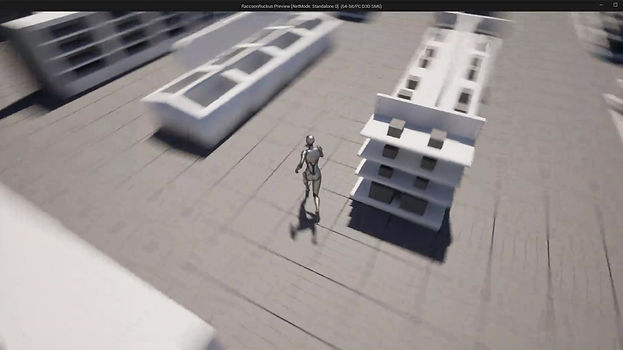
After discussions about enhancing variety and player engagement, I decided to redesign the map so it evolves throughout the game rather than remaining static. Instead, as players complete more rounds, new sections of the shop gradually unlock. This not only introduces more variety and gives players clear goals to work towards but also increases the difficulty over time. As the map expands, players will have to manage a larger area with a wider range of products, adding an extra layer of challenge and strategy.
To implement these changes, I first removed all chiller and freezer cabinets from the main shop floor, as these would now be introduced in later rounds. In their place, I added standard shelves to maintain the store's layout and ensure the space didn't feel empty. Additionally, I modified one of the walls to accommodate the future expansion, allowing for a seamless transition as new areas unlock over time.

Here's how the shop will evolve over time: new sections will unlock in stages, starting with the Chiller area, followed by the Freezer, and finally the Entertainment section. I ensured that each upcoming area is visible beforehand to keep the environment engaging and give players a sense of progression. This way, they can anticipate what’s coming next, adding excitement and motivation to keep playing.


Since the game is still in development and hasn't been playtested yet, the level will likely undergo multiple iterations. Here are some updated screenshots showcasing the current progress of the level so far:


Game Design Breakdown
One of my key responsibilities in the game's design was developing the scoring formulas for the end-of-round evaluation. This included both the player's final score and the threshold required to pass the round. I wanted the score to be represented as a percentage of tasks completed, but since some tasks were rarer and more significant, I implemented a weighting system to reflect their importance.
For example, stocking shelves is a common task, so its score contribution is a straightforward percentage of stock worked versus total stock. However, finding hidden raccoons is much rarer and more critical - after all, a missing box of stock is one thing, but a raccoon on the shelf would be a much bigger problem for the morning crew. To account for this, missing a raccoon carries three times the penalty of missing a box of stock.


To optimize both formulas, I created tables in a spreadsheet with all the key parameters, allowing me to simulate different scenarios and instantly see the resulting player scores. This approach will significantly streamline playtesting, as we won’t need to rely on repeated playthroughs just to tweak and test different scoring values.
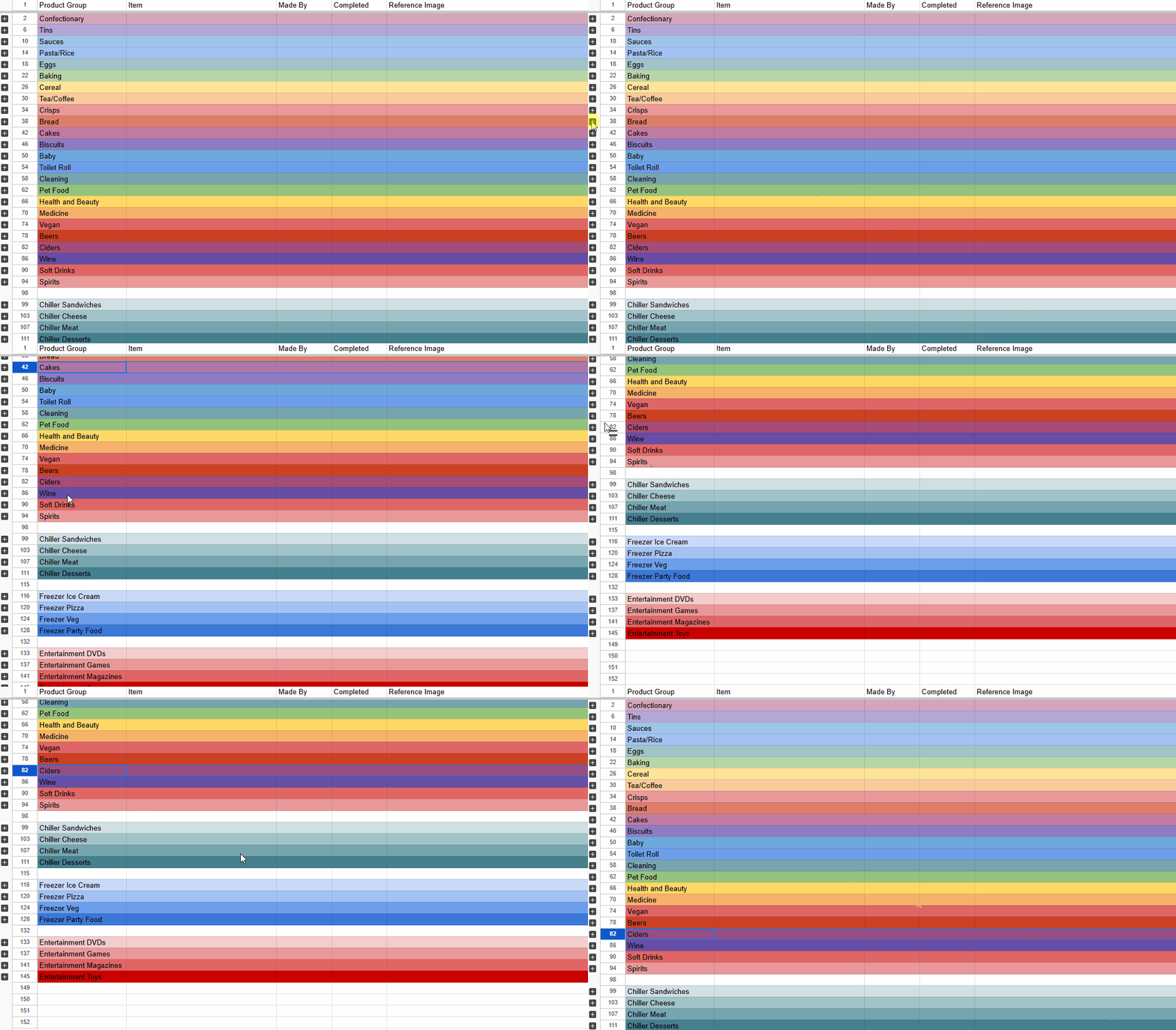
To enhance the game's depth and make the store feel more dynamic, I wanted to introduce variety in the products players would stock on shelves. However, due to time constraints, we couldn’t create numerous unique shelf types or product models. To address this, I proposed a system where each box is assigned a random product group upon pickup, along with a specific product type within that group. This system ensures that products correspond to designated shelves while keeping gameplay engaging and varied. To implement this, I created a spreadsheet listing all product groups, each with multiple product variations, adding an extra layer of detail without requiring additional assets.
UI Design Breakdown
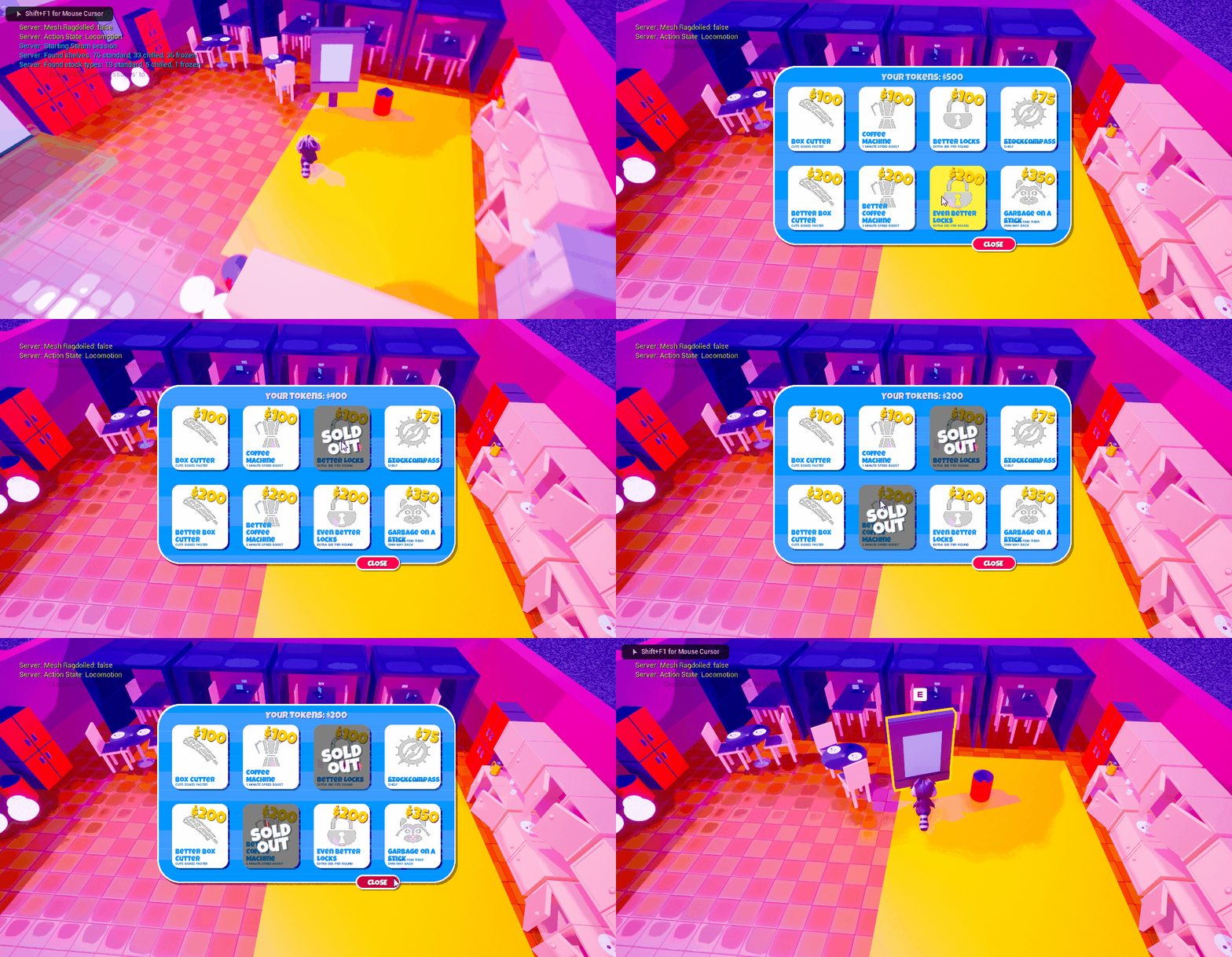
For this project, I designed the Upgrade Shop UI and the in-game HUD. All UI elements, aside from the placeholder icons, were created directly within Unreal Engine 5. This also included an animated background material, adding a dynamic and polished feel to the interface.
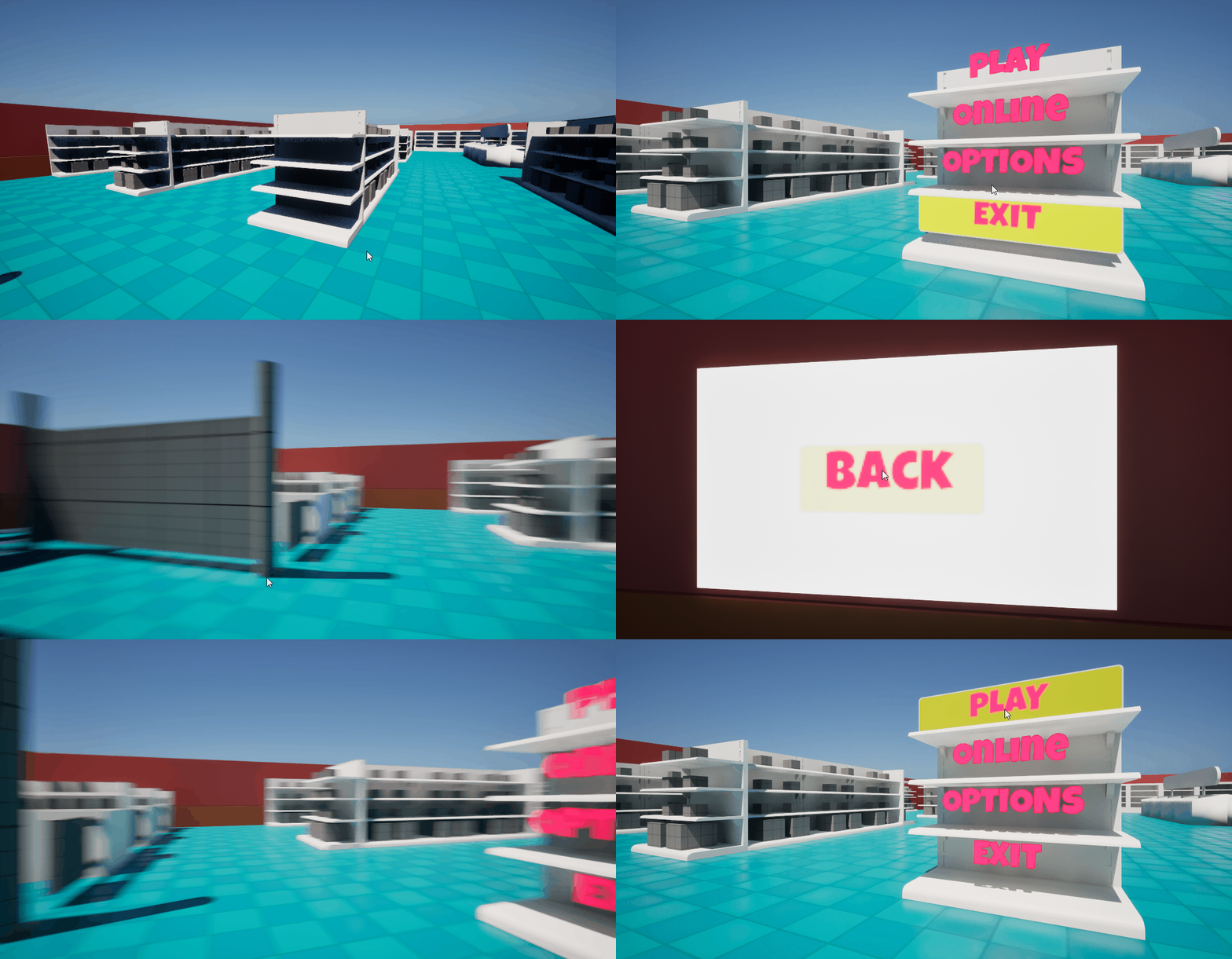
I also began designing the Main Menu, exploring two initial concepts before settling on a 3D design where the UI buttons are placed on a shelf. This approach ties into the game's theme while making the menu more visually engaging. The implementation is still a work in progress, but here’s how it looks so far:


Miscellaneous Tasks
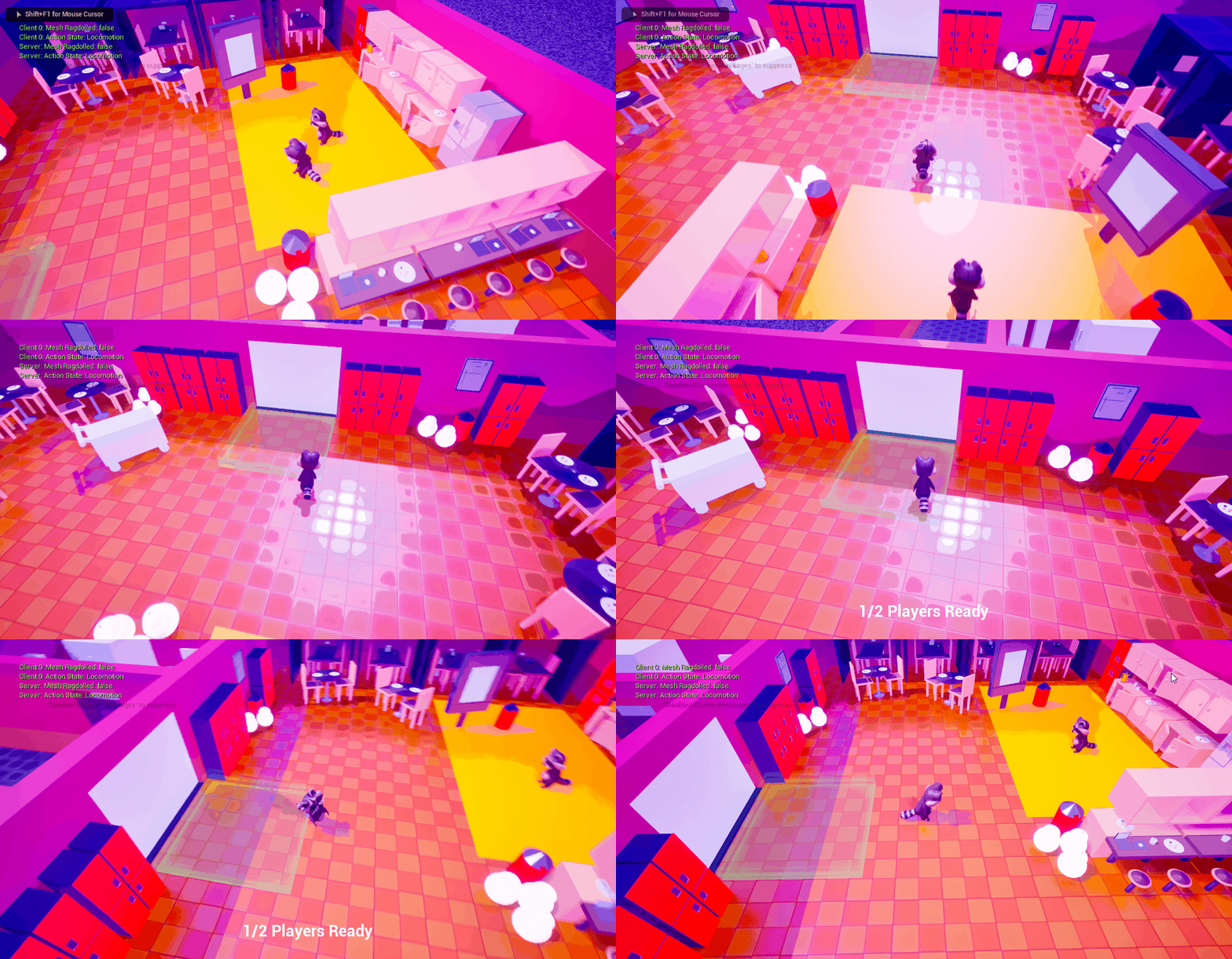
Another key task I completed for this project was designing and implementing the blueprint and material for the Ready Zone. This zone is located in the staff room where players spawn at the start of each round. The system ensures that gameplay begins only when all players are standing inside the designated area, creating a clear and coordinated start to each round.
Zone Blueprint

Material Blueprint

Click To Enlarge
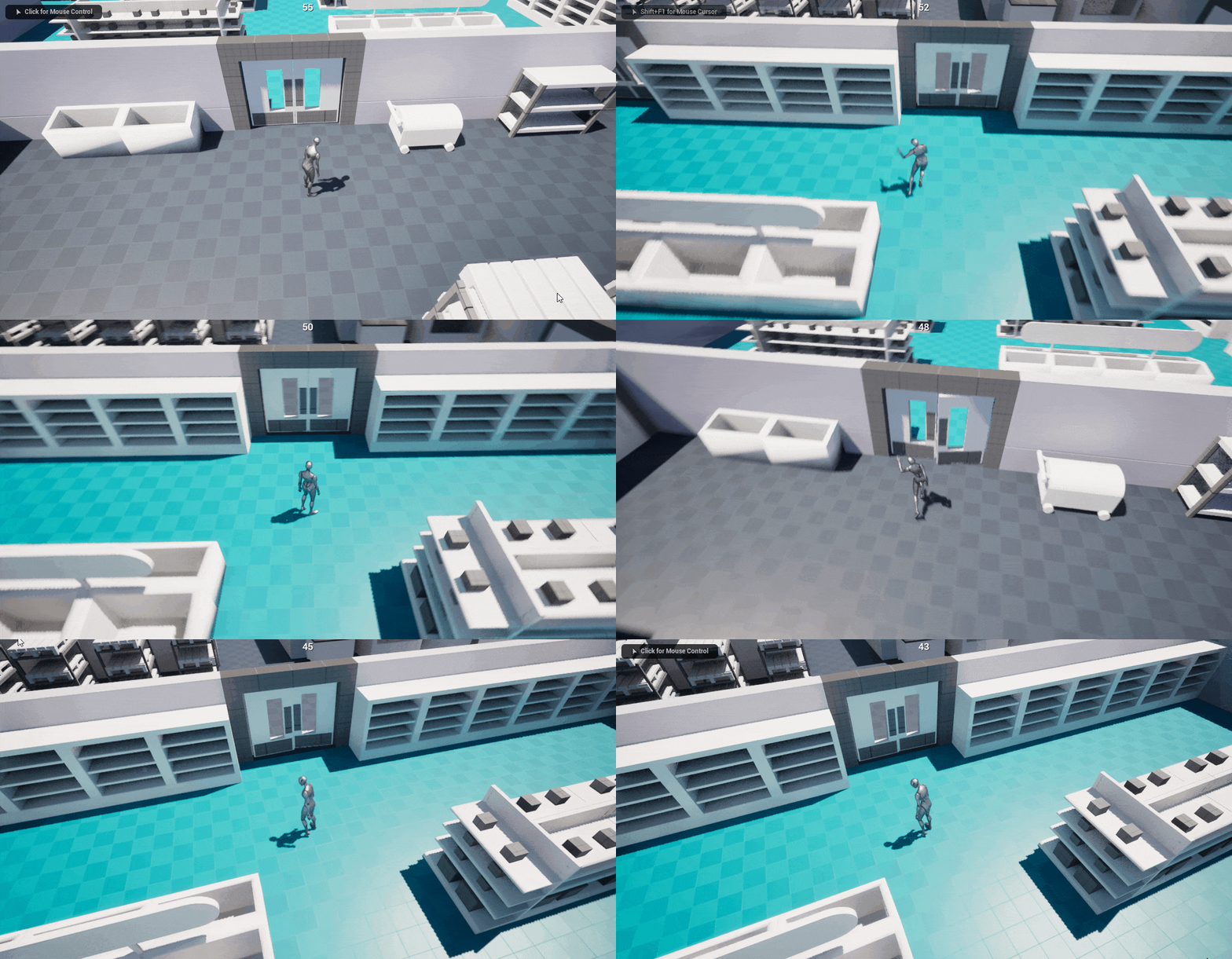
Another task I completed was implementing swinging doors that react dynamically to collisions. I achieved this by using the Physics Constraint component within the Blueprint system, allowing the doors to swing open naturally when pushed, adding to the game's immersive and interactive environment.
Finally, I designed the game's logo using Adobe Photoshop, ensuring it fit the game's playful and chaotic theme while remaining clear and recognizable.
